Overview
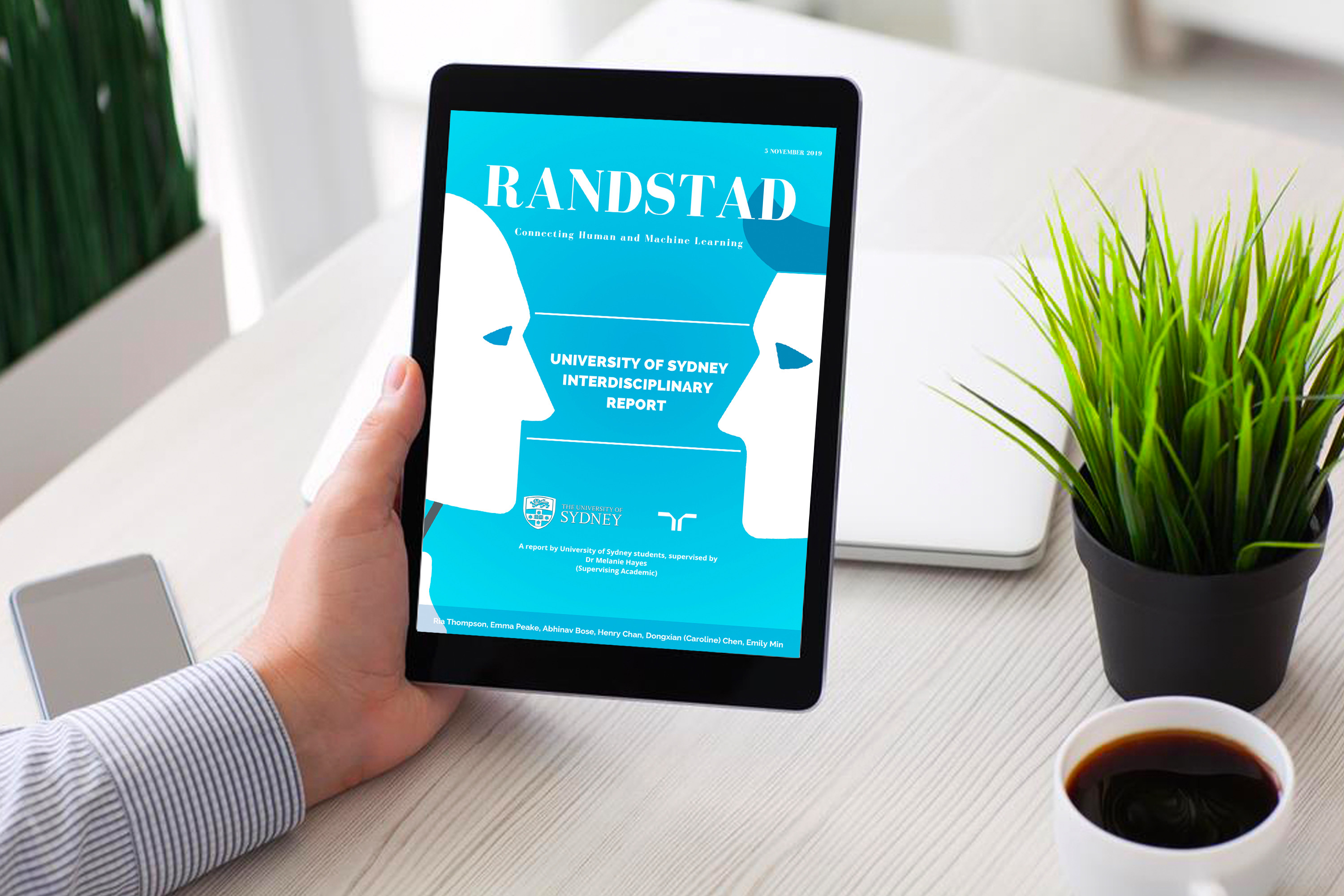
University of Sydney in collabouration with Randstad offered an interdisciplinary project to research on 'Connecting Humans and Machine Learning - Automation of the recruitment industry using AI'
Australian workplace is experiencing a shift from service-driven skills to technologically driven skills as automation takes over.
There is an increasing need for society to prepare for the automation revolution & subsequent workplace transformation. AI can be used to move beyond the match & sustain long-term career development for employees within an ecosystem between clients, companies & recruiters.
About Research Project
The impact of automation on the workforce is expected to be far-reaching with 40 percent of jobs disappearing in the next 10 years. Yet, 84 percent of Aussies are not worried about their jobs being affected by future automation.
There is a need for the traditional recruitment process to move beyond the one-time job to resume match. It needs to sustain long-term career development. Leveraging AI technology to know when to inform candidates of the perfect job match, offering career support via a personalised career coach(-bot) upskilling job seekers as changes in the job market occur. A program delivered in such a personalised way would build trust between the candidate, Randstad and the market and develop long term career connections.
Timeline: 12 Weeks - 2018
Role: Researcher, Project Manager, Digital Designer, Presenter
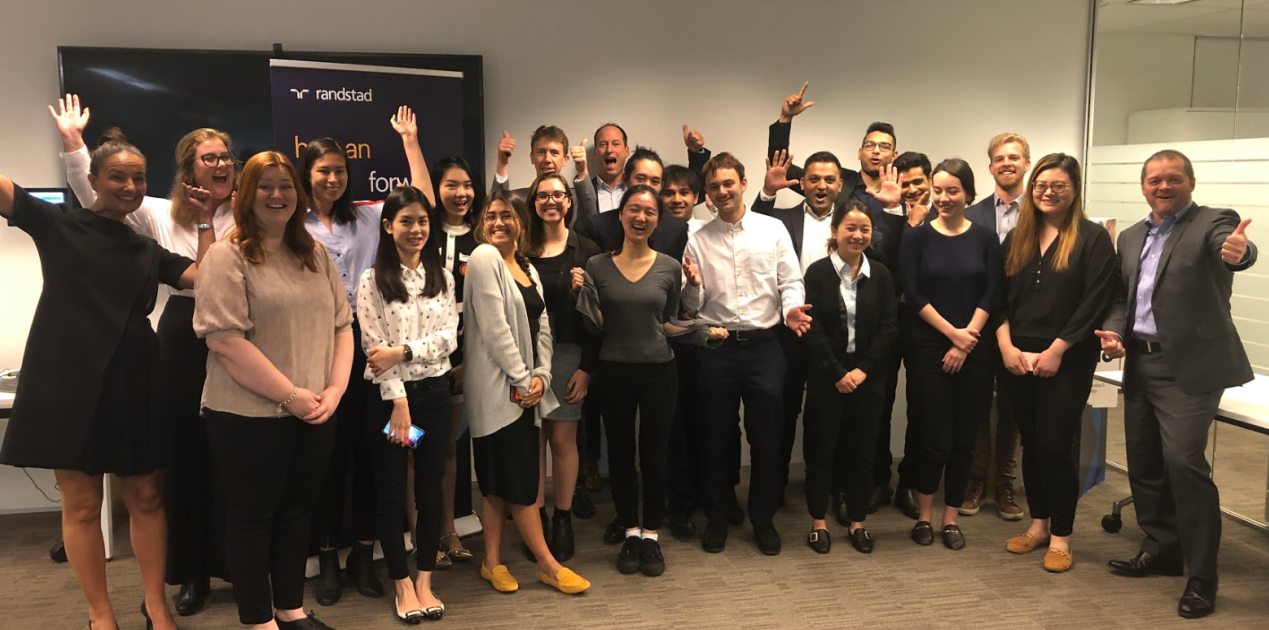
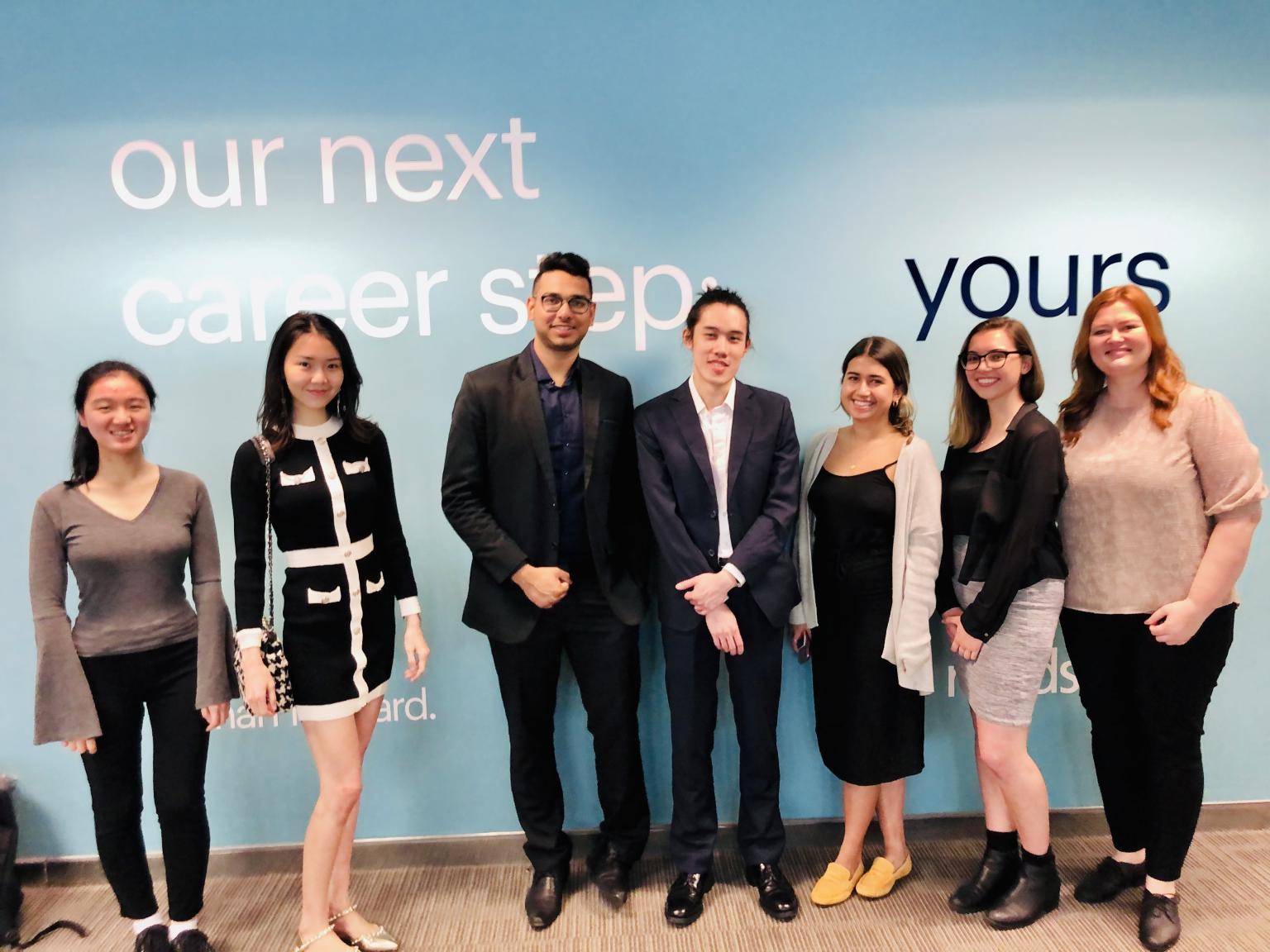
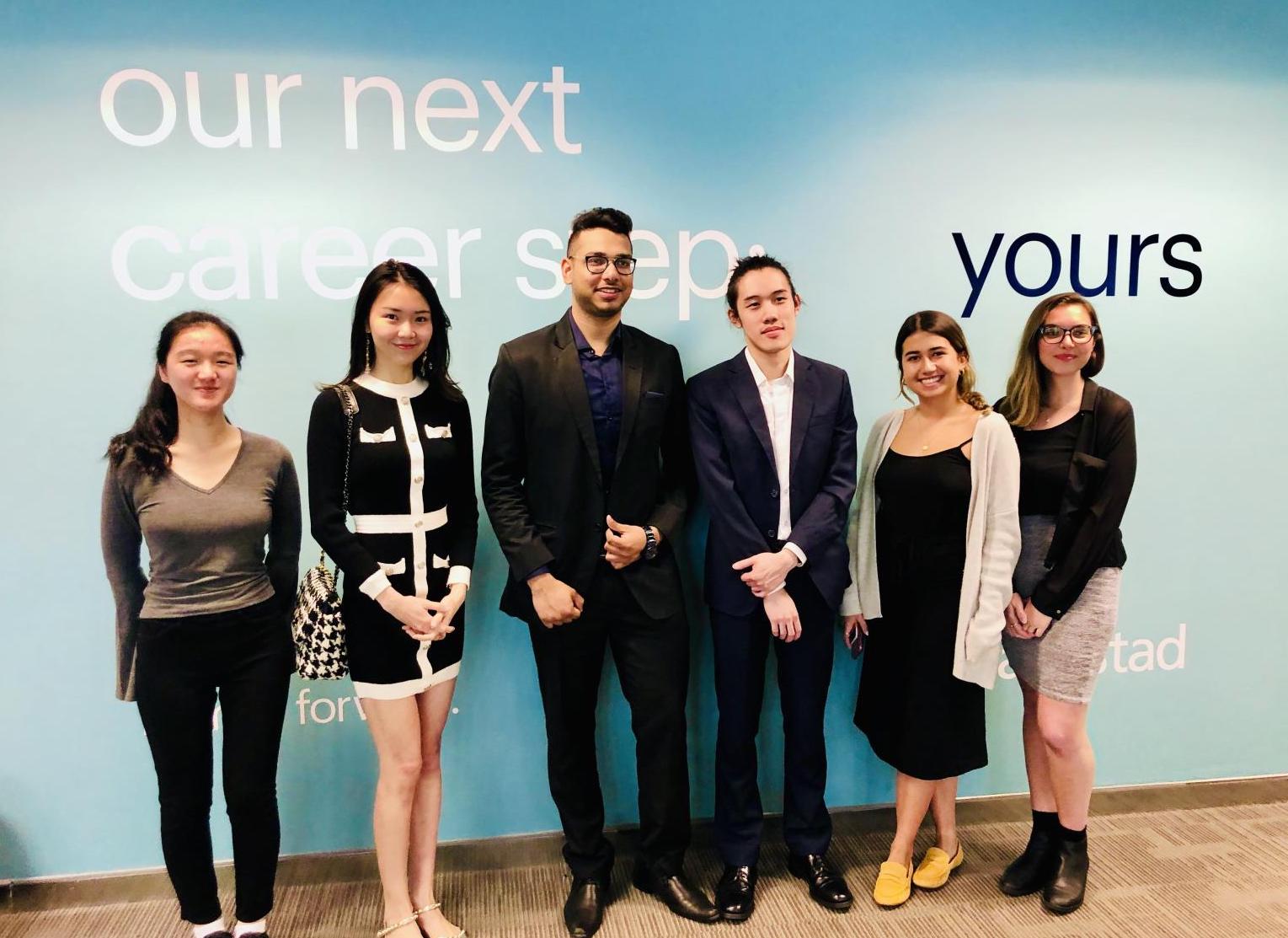
Team: Abhinav Bose, Ria Thompson, Henry Chan, Emma Peake, Emily Min, Caroline Chen
Aims and Approach
Our aim is to create a framework for
integrating recruitment AI with
Randstad’s brand of ‘human
forwardness’ to move beyond the
match and facilitate personalised,
lifelong career support. We envisage
that this shift will secure Randstad’s
long-term relevance and reputation,
enrich the experience of Randstad’s
client candidates and prepare
Australians for the Automation
Revolution. In order to achieve this
goal we have several sub-aims:
1. To understand how the Automation Revolution is changing the Australian workplace.
2. To understand how AI is currently being used in the recruitment sector, as well as potential
spaces for implementation in the future.
3. To discover the best method of preparing Australians for the future of work through AI and
whether this involves education, career guidance, retraining or upskilling. To do so in a manner
specific to Randstad’s brand, rather than repackaging similar services offered by companies like
LinkedIn or Seek.
4. To implement recruitment AI in an ethical, transparent way which conforms to a technology
acceptance model so as to ensure widespread acceptance by Australian workers and negate the
effects of AI anxiety.
To learn more about the methods we used to proceed with tacking this problem in real life scenario have a look at our team's project plan.

Overview of Solutions
With respect to all of our findings, as we have researched thoroughly and provided explicit detailing of, our solutions include the following:

Incorporating Smart Surveillance to monitor the job market via “web-crawlers” which detect potential industry-wide shifts. It also serves as a market scanner to predict and provide future job insights, which may be used to internally restructure within companies as well.

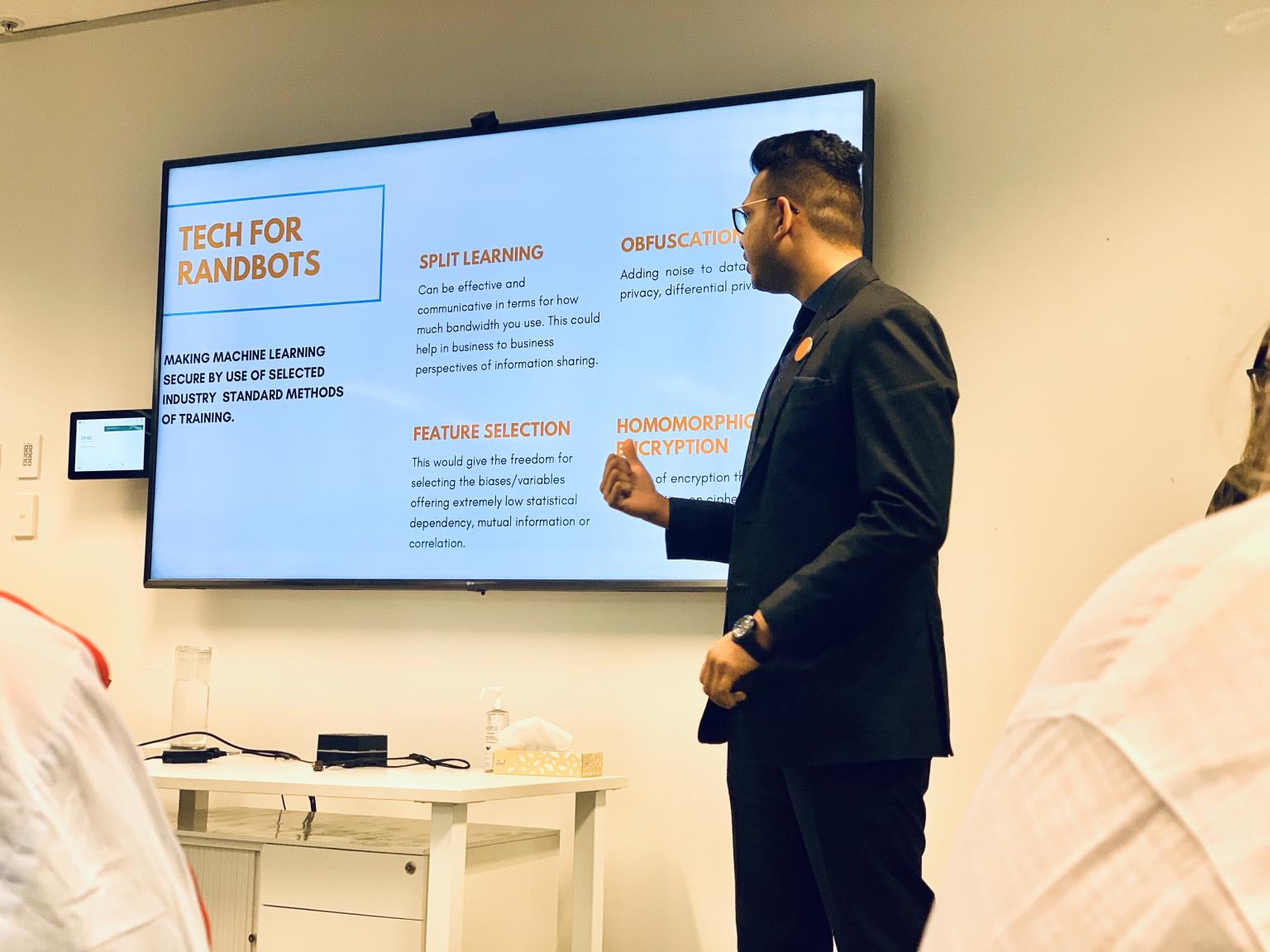
Implementing Randbots (Randstad Chatbots) to manage candidates beyond the match. This will be implemented in both the pre-resume-to-job-match stage, as well as in the post-match stage.

Upskilling Candidates in fields that will be significantly altered by the Automation Revolution so that they can be valuable employees moving forward. This could include online retraining, holding Randstad-exclusive workshops or suggesting tertiary institutions of study like TAFE or university.

We recommend white boxing the AI by adding layers of transparency to ensure candidates are aware of the workings of their data and profile. Our research highlighted how existing AI systems are like blackboxes, meaning that whatever goes into or happens inside the program is unclear in layman’s terms.